 The Type Shelf
From Pen to Pixel: The Journey of Calligraphy into the Digital Age
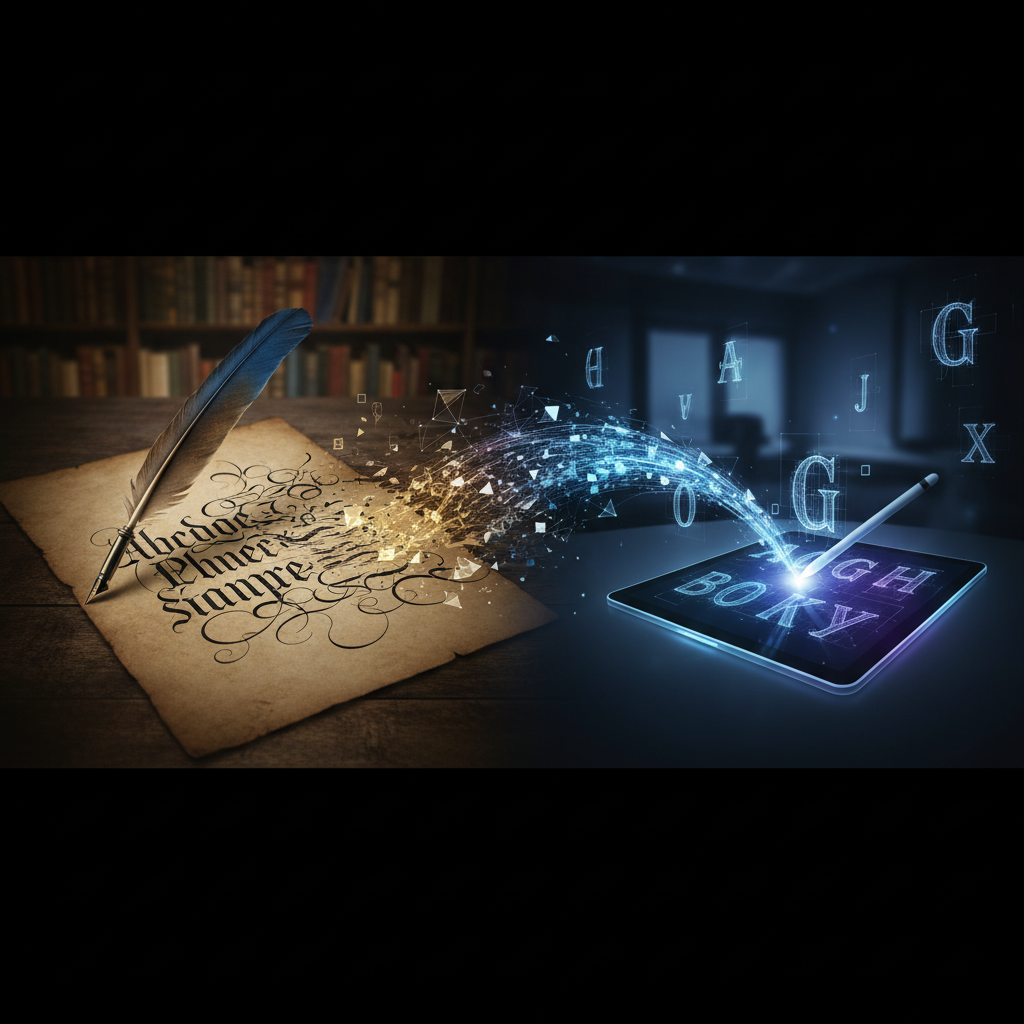
The Transformation of an Ancient Art
Calligraphy, the art of beautiful handwriting, has transcended centuries, cultures, and mediums. Traditionally, it has been a craft rooted in ink and paper, requiring skill, patience, and a deep understanding of form and aesthetics. However, with the rapid advancement of technology, this ancient art form is undergoing a remarkable transformation as it makes its journey from pen to pixel.
The Roots of CalligraphyHistorically, calligraphy has been used in various cultures for centuries, from the elegant scripts of ancient China and the ornate lettering of the Islamic world to the refined styles of Western Europe. Each culture developed its unique techniques and tools, including brushes, quills, and inks, to create stunning works of art. These carefully crafted letters were not just a means of communication; they were expressions of beauty and individuality.
“Calligraphy is a way to express oneself, merging art with language in a harmonious way.”The Digital Revolution
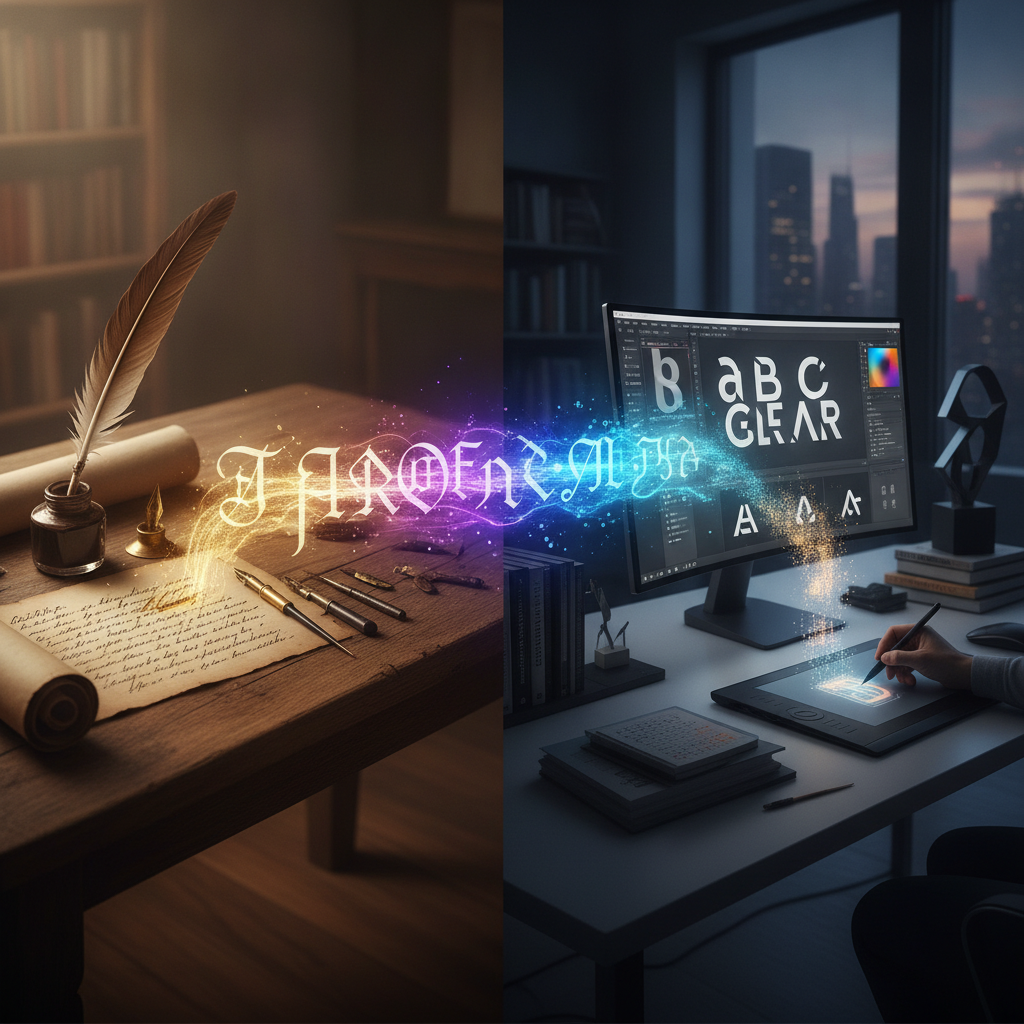
As we moved into the digital age, the traditional practice of calligraphy faced new challenges and opportunities. The rise of graphic design software, digital tablets, and various applications has opened up a new realm for calligraphers. Digital tools allow artists to create intricate designs with precision, speed, and a variety of effects that would be challenging to achieve with traditional methods.
 The Benefits of Going Digital
One significant advantage of digital calligraphy is the ease of flexibility and experimentation. Artists can quickly modify their work, try different styles, and adapt their designs for various platforms without the fear of ruining a physical piece. Moreover, the ability to share work online has expanded the audience for calligraphy, allowing artists to connect with enthusiasts and potential clients globally.
The Challenge of PreservationHowever, the shift to digital also poses questions about authenticity and the preservation of traditional techniques. While digital tools can replicate the look of hand-drawn calligraphy, some purists argue that nothing can truly replace the soul of hand-crafted art. The tactile experience of pen on paper and the unique imperfections of hand-drawn letters cannot be fully captured in a digital format.
“The essence of calligraphy lies in its imperfections; each stroke tells a story of its creation.”Finding Balance
Many contemporary calligraphers are finding ways to balance both worlds. They combine traditional techniques with modern technology, using digital tools to enhance their work while still honoring the roots of the craft. Workshops and courses are now available to teach aspiring artists how to navigate both realms, creating a new generation of calligraphers who appreciate the history of their art while embracing the future.
The Future of Calligraphy
As we look ahead, the journey from pen to pixel continues to evolve. With the rise of augmented reality and virtual reality, the possibilities for calligraphy are expanding even further. Artists are beginning to explore how their work can be experienced in new dimensions, inviting audiences to engage with calligraphy in dynamic and immersive ways.
Ultimately, the art of calligraphy is more than just a method of writing; it is a profound expression of creativity and culture. Whether in its traditional form or its digital evolution, calligraphy remains a powerful art form that bridges the past and the future, inviting each generation to explore the beauty of letters.