 The Type Shelf
Monospaced Fonts and the Aesthetic of Code Typography
The Allure of Monospaced Fonts in Code Typography
In the realm of digital design and programming, the choice of typography can significantly influence both aesthetics and functionality. Among the various font styles, monospaced fonts have carved out a unique niche, especially within the coding community. These fonts, where each character occupies the same horizontal space, offer not only a practical advantage for readability but also create a distinctive visual appeal that resonates with the essence of programming.
Understanding Monospaced FontsMonospaced fonts, also referred to as fixed-width fonts, are designed so that each letter, number, or symbol occupies an equal amount of space. This uniformity makes them particularly useful in contexts where the alignment of text is crucial. For instance, coding environments require precision in order to clearly delineate commands, variables, and functions. The consistent spacing of monospaced fonts helps programmers avoid errors and improves the overall readability of code.
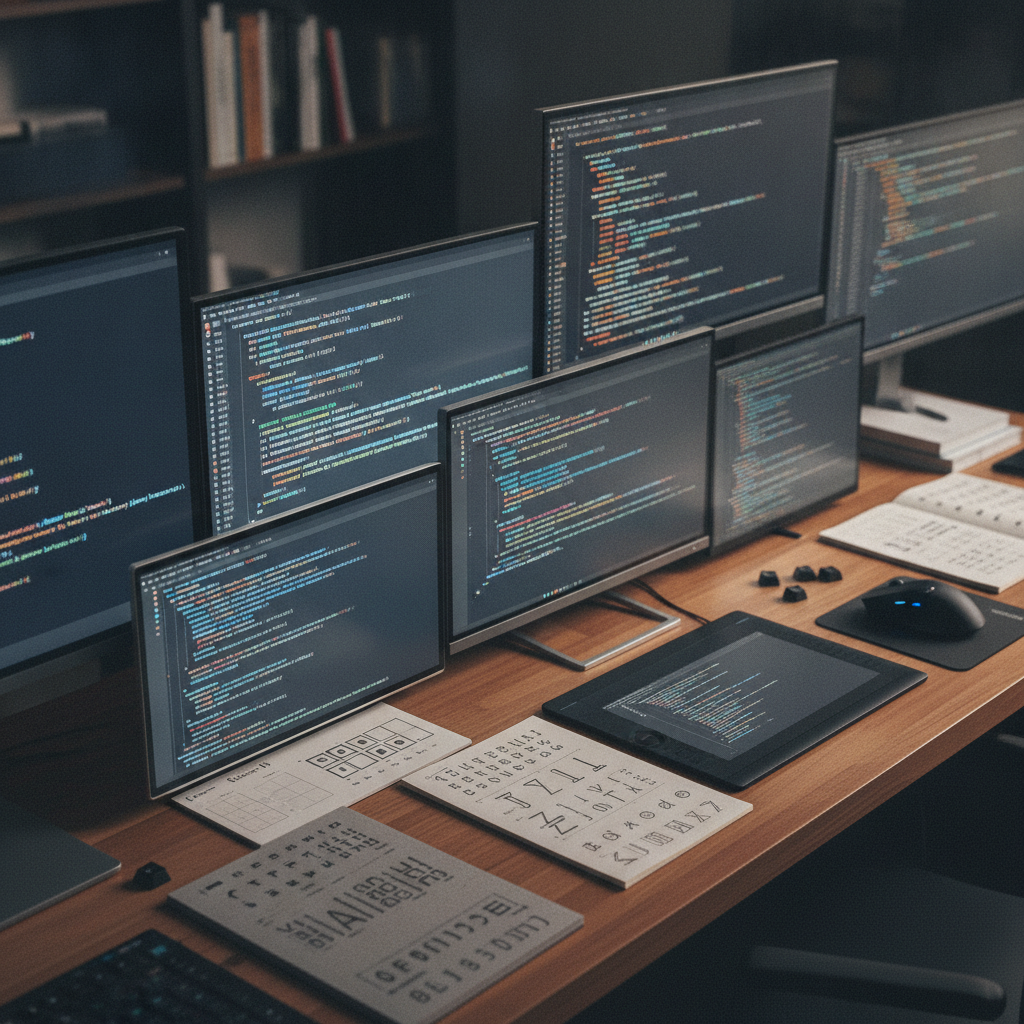
“The beauty of monospaced fonts lies in their simplicity and functionality, harmonizing form with purpose.”
Aesthetic Appeal in Design
Beyond their functional benefits, monospaced fonts hold a certain aesthetic charm that many designers and developers appreciate. Their structured appearance evokes a sense of nostalgia for the early days of computing, reminiscent of typewriters and the first computer screens. This retro quality adds character and authenticity to digital projects, making them visually appealing in a way that proportional fonts often cannot achieve.
Creating a Coding CultureTypography plays a crucial role in shaping the culture of coding. A well-chosen monospaced font can enhance the user experience, making coding feel more engaging and accessible. Fonts like Courier, Consolas, and Fira Code have become staples in many integrated development environments (IDEs) and text editors, contributing not just to functionality but also to a shared identity within the coding community.
“In the world of coding, typography is not just about readability; it’s about creating a language that resonates.”
Conclusion
As technology continues to evolve, the role of typography in programming and design remains vital. Monospaced fonts encapsulate both the practical needs of coding and the aesthetic desires of designers. They stand as a testament to how effective typography can bridge the gap between functionality and beauty, enriching the coding experience for both novices and seasoned professionals alike.