 The Type Shelf
The Art of Display Fonts: Bold Choices vs. Subtle Statements
Understanding Display Fonts
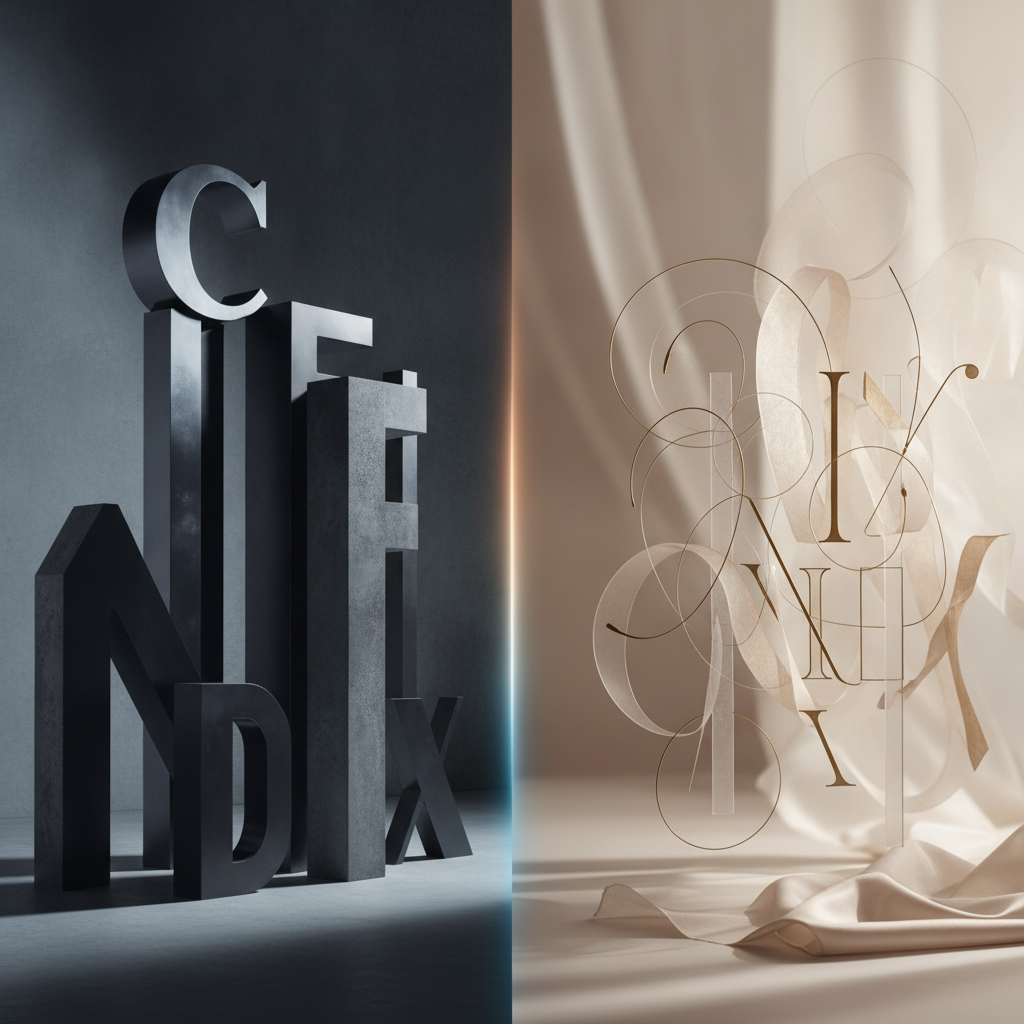
Display fonts are a captivating aspect of typography that can significantly enhance the visual appeal of any design. These fonts are specifically designed to attract attention and convey a particular mood or personality. However, the challenge lies in knowing when to embrace the boldness of display fonts and when to exercise restraint.
When to Be Bold
1. Headline and Titles: Display fonts are perfect for headlines and titles where immediate impact is desired. Their unique characteristics can draw readers in, making them an excellent choice for posters, advertisements, and websites seeking to create a strong first impression.
2. Branding: Brands often use display fonts to establish a distinctive identity. A bold and creative font can communicate the essence of a brand, allowing it to stand out in a crowded marketplace.
3. Thematic Projects: When the context allows for playful or dramatic expression—such as festivals, music events, or themed parties—display fonts can enhance the atmosphere and engage the audience.
“Bold choices in typography can lead to memorable designs that resonate with viewers, forging connections and evoking emotions.”
When to Pull Back
1. Body Text: While display fonts can be eye-catching, they are generally not suitable for body text. Their stylistic elements can hinder readability, especially in long passages of text where clarity is paramount.
2. Professional Documents: In more formal settings, such as business reports or academic papers, it is essential to prioritize professionalism and legibility. Subtle serif or sans-serif fonts are typically more appropriate as they convey seriousness and respect for the content.
3. Overuse: Even in projects where display fonts are appropriate, overusing them can dilute their effectiveness. It’s crucial to maintain a balance between boldness and restraint, ensuring that the design remains cohesive and visually appealing.
“Every font has its moment; the key is knowing when to let it shine and when to keep it understated.”
Conclusion
In the world of typography, display fonts hold immense power. Knowing when to wield this power boldly and when to temper it with subtlety is essential for effective communication. By making informed choices, designers can create captivating visuals that resonate with their audience while ensuring clarity and coherence in their messaging.