 The Type Shelf
The Art of Display Fonts: When to Be Bold and When to Pull Back
Understanding Display Fonts
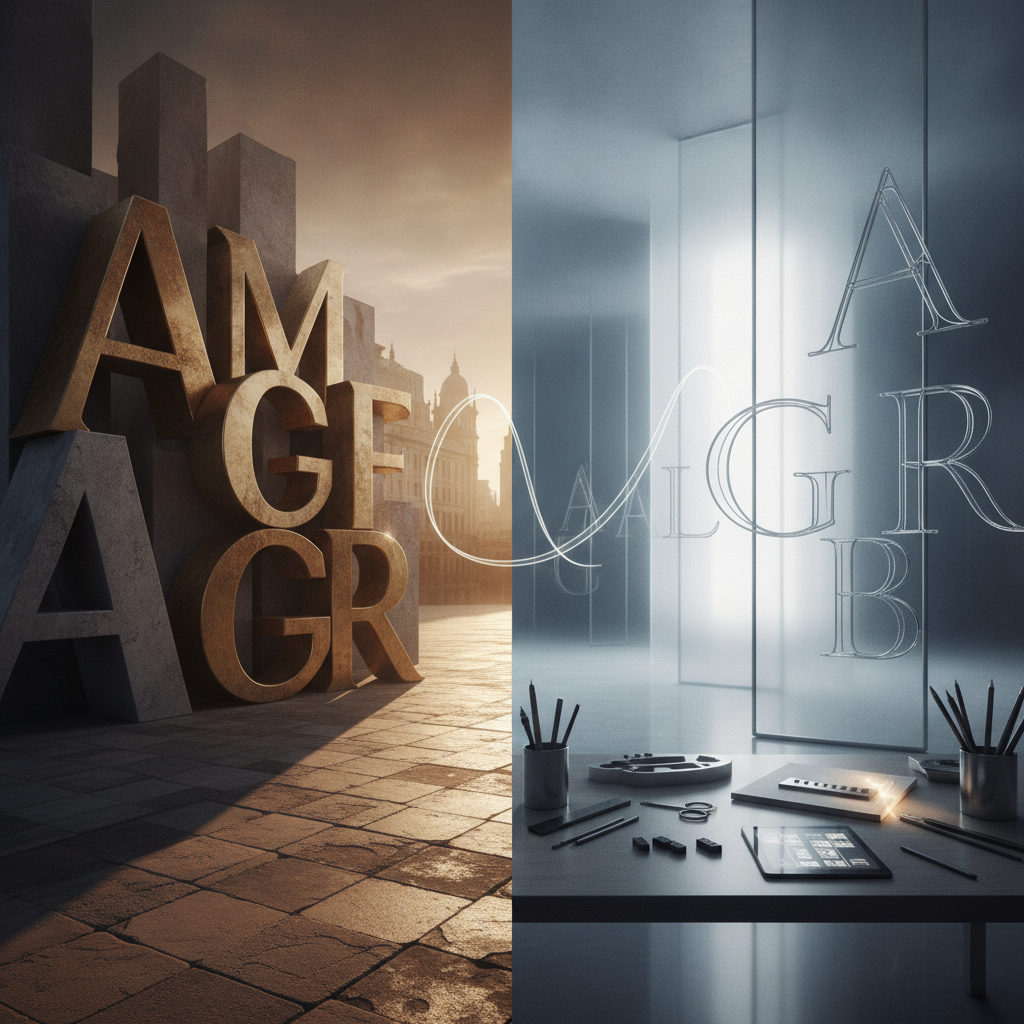
Display fonts are designed to attract attention and convey a strong visual message. They differ from traditional typefaces by being larger, more decorative, and often more expressive. These fonts are perfect for headlines, posters, and any material where capturing the viewer's eye is essential. However, the use of display fonts requires a nuanced approach; knowing when to be bold and when to pull back is crucial for effective communication.
When to Be Bold
1. Capturing Attention: Use display fonts when you want to make a statement. Whether it's for a striking headline or an eye-catching event poster, bold display type can draw the viewer in and create an immediate impact.
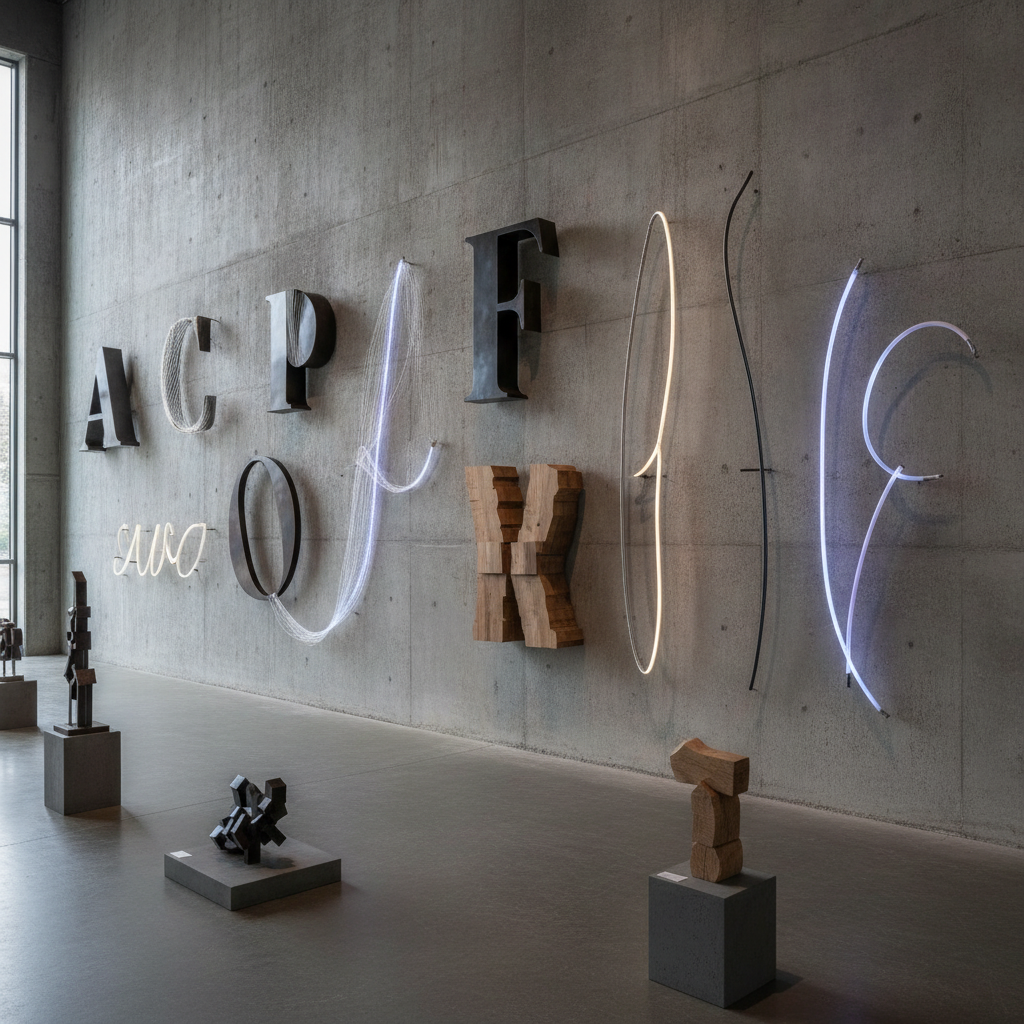
2. Creating a Unique Identity: In branding, a distinctive display font can set a business apart from competitors. A well-chosen display font can evoke specific emotions and associations, making it an effective tool for brand recognition.
3. Enhancing Visual Hierarchy: When used thoughtfully, display fonts can lead the viewer's eye through a piece, creating a clear hierarchy of information. A bold display font can highlight key messages, while complementary fonts can maintain readability for supporting text.
“A display font should serve its purpose without overshadowing the message it conveys.”
When to Pull Back
1. Prioritizing Readability: While display fonts are eye-catching, their decorative nature can sometimes hinder readability. In smaller sizes or dense text blocks, overly intricate or bold fonts may confuse the reader. It's essential to consider the context and ensure that the message remains clear.
2. Avoiding Overwhelm: Using multiple display fonts in a single design can create visual chaos. It’s best to limit the use of display fonts to one or two to maintain a clean and cohesive look. Pairing a display font with simpler, more traditional typefaces can provide balance.
3. Understanding Brand Consistency: A display font that is trendy today may not resonate with your audience tomorrow. It’s important to align with your brand's voice and message. When in doubt, lean towards timeless and versatile typefaces that can adapt to varying contexts without losing their essence.
“The key to effective design lies in the harmonious balance of boldness and subtlety.”
Conclusion
Display fonts offer an exciting opportunity for creativity and expression in design. However, the decision to be bold or to pull back should be driven by the goals of the project and the needs of the audience. By understanding when to leverage the power of display fonts and when to opt for more understated alternatives, designers can create compelling visuals that resonate effectively with viewers.