 The Type Shelf
The Art of Type Design: Navigating a Modern Career
The Evolving Landscape of Type Design
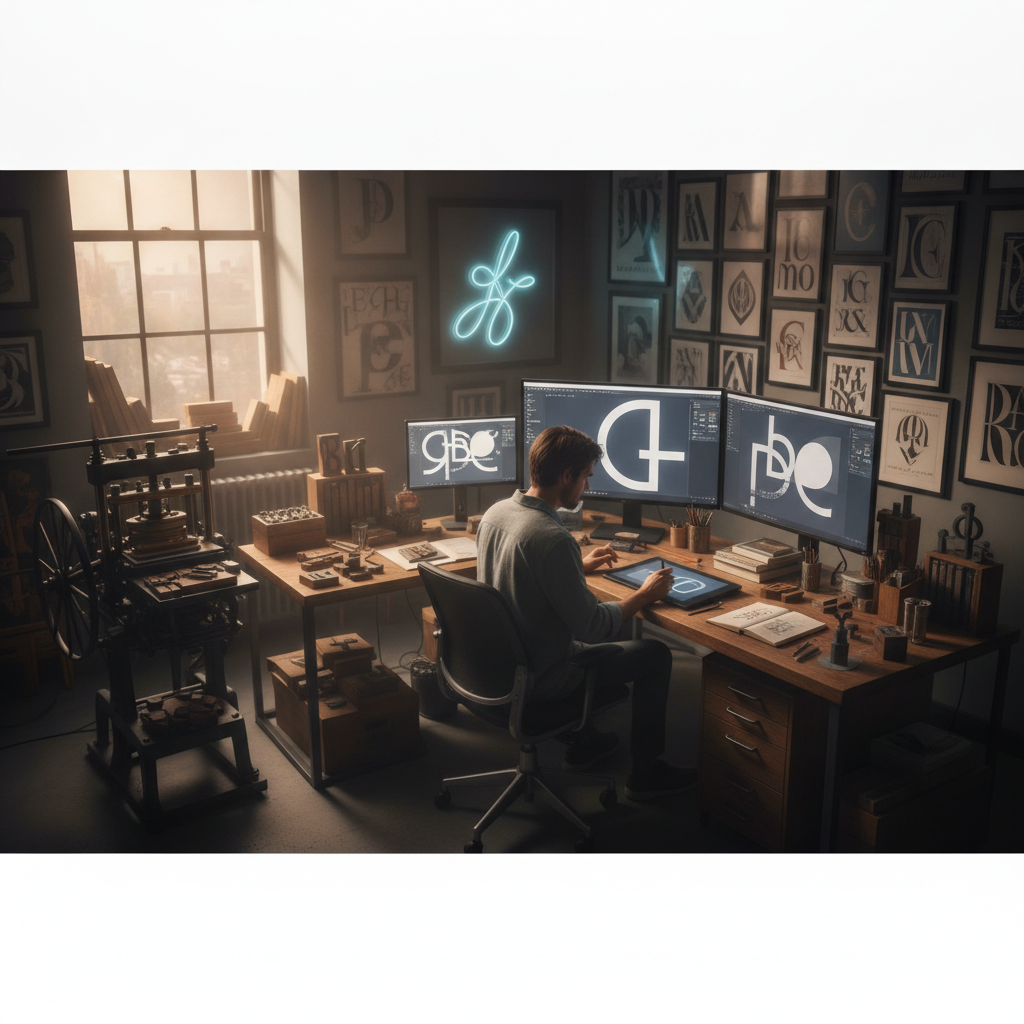
In the digital age, type design has emerged as a dynamic and sought-after career path, blending artistry with technology. Modern type designers are at the forefront of creating the letters and symbols that shape our visual communication, and their work is more relevant than ever in a world increasingly dominated by digital media.
Collaboration and Interdisciplinary Approaches
Today’s type designers often collaborate with other creatives, including graphic designers, UX/UI designers, and branding specialists. This interdisciplinary approach allows type designers to understand better the context in which their fonts will be used, ensuring that the typography enhances both functionality and aesthetic appeal.
“Type design is not just about creating beautiful letters; it’s about crafting a visual voice that resonates with the intended audience.”
The Tools of the Trade
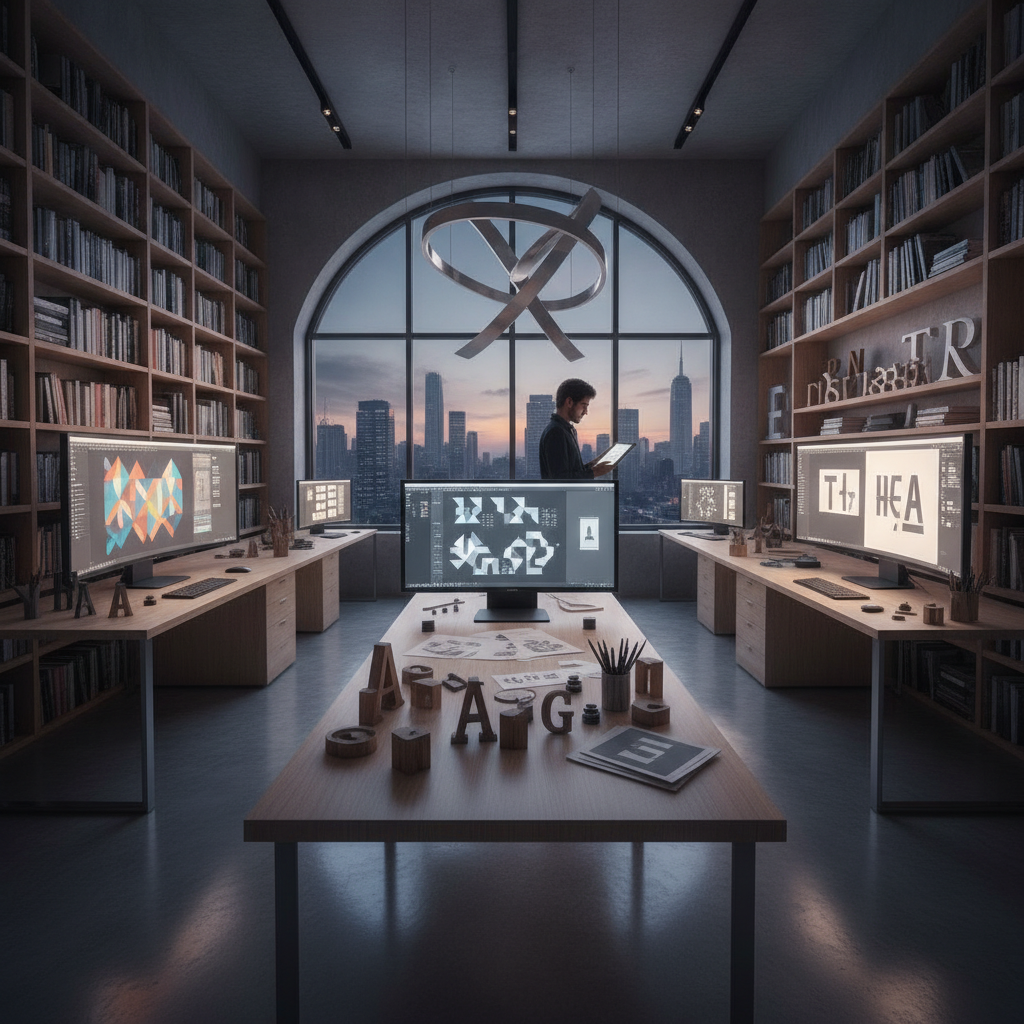
The tools available to modern type designers have transformed significantly over the years. While traditional methods involved painstaking hand-drawing, today’s designers leverage advanced software like Glyphs, FontLab, and Robofont, which streamline the design process and allow for more experimentation with form and style.
Embracing Technology and Innovation
Modern typography is also embracing technology in new ways. Variable fonts, for example, allow for multiple styles to be contained within a single font file, providing designers with unparalleled flexibility. This innovation not only enhances the user experience but also optimizes performance across various digital platforms.
The Importance of Community
Networking and community engagement are essential elements for success in type design. Many designers participate in online forums, attend workshops, and contribute to open-source type projects, fostering collaboration and knowledge-sharing. This sense of community not only helps designers refine their skills but also promotes the appreciation of typography as an art form.
Continuing Education and Inspiration
Type designers must stay informed about trends, emerging technologies, and cultural shifts that influence typography. Many engage in continuous learning through courses, webinars, and conferences, ensuring that their work remains relevant and innovative. Inspiration can be found in the world around them, from street signs to digital interfaces, driving the creativity that fuels their designs.
Conclusion: A Fulfilling Career
In conclusion, a career in type design offers a unique blend of creativity, technology, and collaboration. As the landscape of visual communication continues to evolve, type designers play a crucial role in shaping how we interact with text in both digital and physical spaces. For those passionate about letters and their impact, type design presents an exciting and fulfilling career path.