 The Type Shelf
The Psychology of Typefaces: How Fonts Influence Perception

Understanding the Impact of Fonts on Our Minds
In a world dominated by visual communication, the choice of typeface can significantly shape our perceptions and emotions. Fonts are not merely a means of conveying information; they also evoke feelings, convey personality, and influence our judgments. The study of typography is not only about aesthetics but also about the psychological effects that different typefaces can have on readers.
Fonts as Emotional Triggers
Research has shown that the emotional response to different fonts can vary widely. For instance, a serif font like Times New Roman often evokes a sense of tradition and reliability, making it a popular choice for formal documents. In contrast, a sans-serif font like Arial tends to feel more modern and accessible, appealing to a contemporary audience. The differences between these styles can impact how we perceive the credibility and professionalism of the content presented.
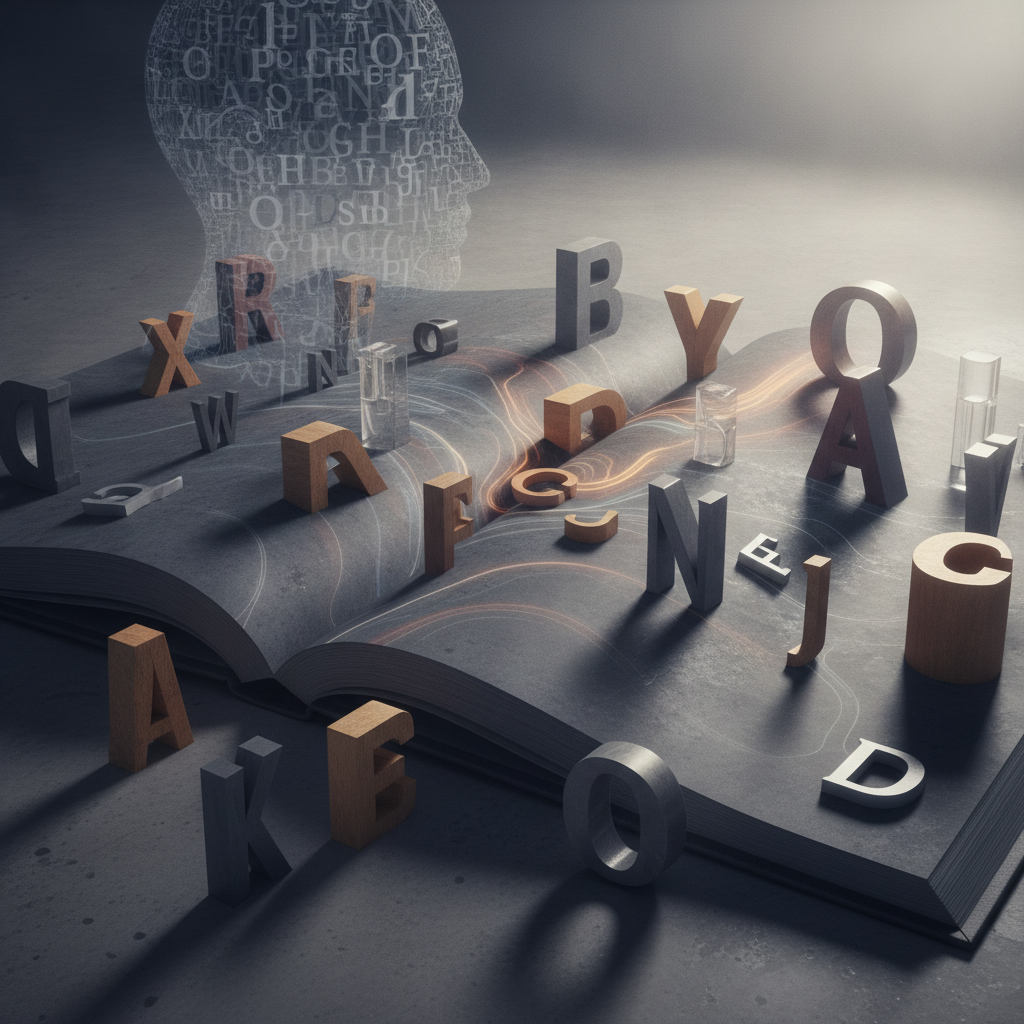
“The right typeface can enhance the message, making it more persuasive and engaging.”
The Influence of Font Choice on Brand Perception
In the realm of branding, the typeface chosen can reinforce the identity of a brand. A luxury brand may opt for elegant, thin typefaces to convey sophistication, while a playful brand may choose a rounded font that feels friendly and fun. This alignment between font choice and brand personality is crucial, as it can strengthen customer loyalty and influence purchasing decisions.
Readability and Cognitive Load
The readability of a font can also affect how easily we process information. Fonts that are too decorative or complex may lead to increased cognitive load, causing frustration for readers. On the other hand, clear and legible typefaces facilitate smoother reading experiences, allowing the audience to engage with the content without unnecessary distractions. Understanding this balance is vital for effective communication.
“Typography is not just about making text look pretty; it’s about making information accessible and impactful.”
Conclusion: The Power of Typeface
Ultimately, the psychology of typefaces reveals that the fonts we choose can evoke emotions, influence perceptions, and shape our interactions with information. Whether we realize it or not, every typeface tells a story and carries a weight of significance that goes beyond mere letters on a page. As designers, marketers, and communicators, understanding the nuances of typography can empower us to connect more effectively with our audience.