 The Type Shelf
Typography in Motion: Kinetic Type in Video and Web Design

The Evolution of Typography in Motion
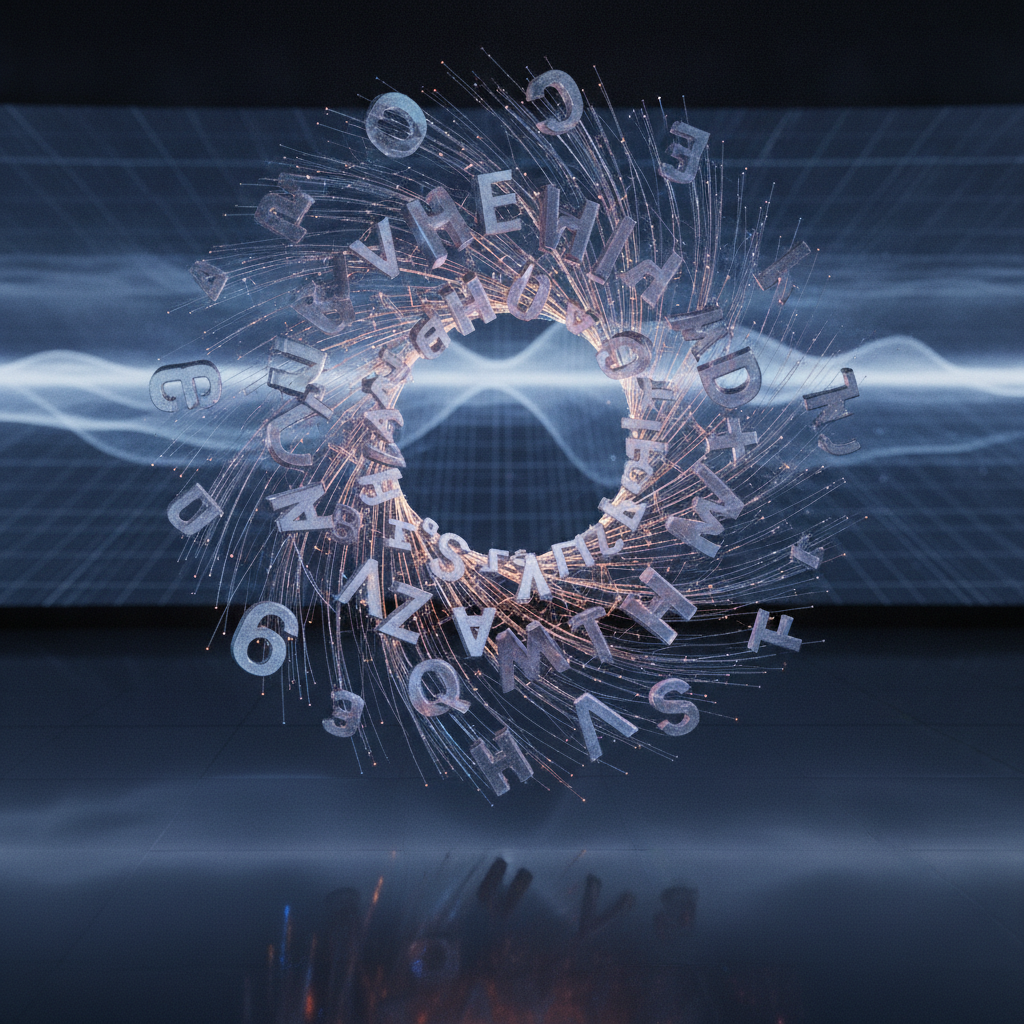
In the dynamic world of design, typography has transcended its static roots, evolving into a vibrant form of expression that breathes life into visual storytelling. Kinetic type, or moving typography, has emerged as a powerful tool in both video and web design, allowing designers to create engaging narratives that captivate audiences. This innovative approach combines the principles of typography with animation, resulting in a seamless blend of text and motion that enhances communication.
The Impact of Kinetic Type
Kinetic typography not only draws attention but also shapes the viewer's experience. By manipulating the movement, speed, and style of text, designers can convey emotions and emphasize key messages more effectively. For instance, a fast-paced animation might evoke excitement and urgency, while slow, fluid movements can create a sense of calm and elegance. This versatility makes kinetic type an invaluable asset across various mediums.
"Typography is the craft of endowing human language with a durable visual form." – Hermann Zapf
Applications in Video Design
In video design, kinetic type serves as a dynamic element that complements visual storytelling. Whether it be in advertisements, music videos, or educational content, the integration of moving text can heighten the emotional impact of the narrative. As viewers watch the words dance across the screen, they are more likely to retain information and engage with the content. The strategic use of kinetic type can also establish brand identity, as unique animations can become synonymous with a company’s messaging.
Kinetic Type in Web Design
Similarly, in web design, kinetic typography has gained traction as a means to enhance user interaction and experience. By incorporating animated text elements, designers can guide users through a website’s content, making navigation intuitive and engaging. Subtle movements, such as text that shifts or transforms as users scroll, can create a sense of interactivity, encouraging visitors to explore further. Moreover, kinetic type can effectively break up large blocks of text, making information more digestible and visually appealing.
Best Practices for Implementing Kinetic Type
When integrating kinetic type into design projects, there are several best practices to consider:
- Prioritize Readability: Ensure that the text remains legible, even when in motion. The movement should enhance, not hinder, comprehension.
- Maintain Consistency: Use a cohesive style that aligns with the overall design theme. This creates a harmonious visual language.
- Balance Motion and Content: Strike a balance between vibrant animations and the content’s significance to avoid overwhelming the audience.
- Test Across Devices: Ensure that kinetic text performs well on various screen sizes and devices, providing a consistent experience for all users.
The Future of Kinetic Typography
As technology continues to advance, the possibilities for kinetic typography will only expand. With the rise of augmented reality (AR) and virtual reality (VR), we can expect to see even more innovative uses of moving text in immersive environments. Kinetic type is poised to play a pivotal role in the future of multimedia storytelling, enabling creators to push the boundaries of conventional design and engage audiences in new and exciting ways.
In conclusion, kinetic typography represents a convergence of art and communication that enriches video and web design. By harnessing the power of motion, designers can transform text into a dynamic component that not only conveys information but also evokes emotion, ultimately leaving a lasting impression on viewers.